

The email from the video platform was polite but unmistakable: a sixty‑second segment of my latest upload had been flagged by a rights holder, and the advertising revenue would be diverted until the dispute was resolved. The track I had used came from a royalty‑free library that, I had believed, cleared music for commercial use. Buried in a sub‑clause I had never read was a restriction on “broadcast‑style distribution,” which apparently covered the sponsored content I had delivered to a client. That afternoon, I started looking for an AI Music Generator whose licensing terms were explicit enough that I wouldn’t have to play armchair lawyer every time I exported a video.
The conversation around AI music tools tends to orbit around sound quality and feature lists, but for anyone who earns a living from content, the legal wrapper is equally critical. A beautiful track that carries even a small risk of a copyright claim is a liability, not an asset. I decided to spend a week reading the terms of service, acceptable use policies, and licensing FAQs of six prominent AI music platforms, comparing not just the text but the visibility and clarity with which commercial usage rights were communicated. The test wasn’t about finding a tool that offered the most generous license on paper; it was about finding the tool that gave me enough confidence to cancel my paid stock subscription without looking back.
The landscape I found was predictably uneven. One platform’s royalty‑free language was proudly displayed on the pricing page but contradicted by a terms document that excluded “commercial monetization” without a specific upgrade. Another required an enterprise plan for any usage that involved client work, a distinction that wasn’t clear until I had already generated a dozen tracks. Several tools embedded their licensing details in walls of text that looked designed to be skimmed rather than understood, which, in my experience, is where claims originate. I started keeping a spreadsheet that rated not just the legal substance but the user‑experience cost of verifying it: how many clicks from the homepage, how many jargon phrases like “synchronization rights” that were never defined.
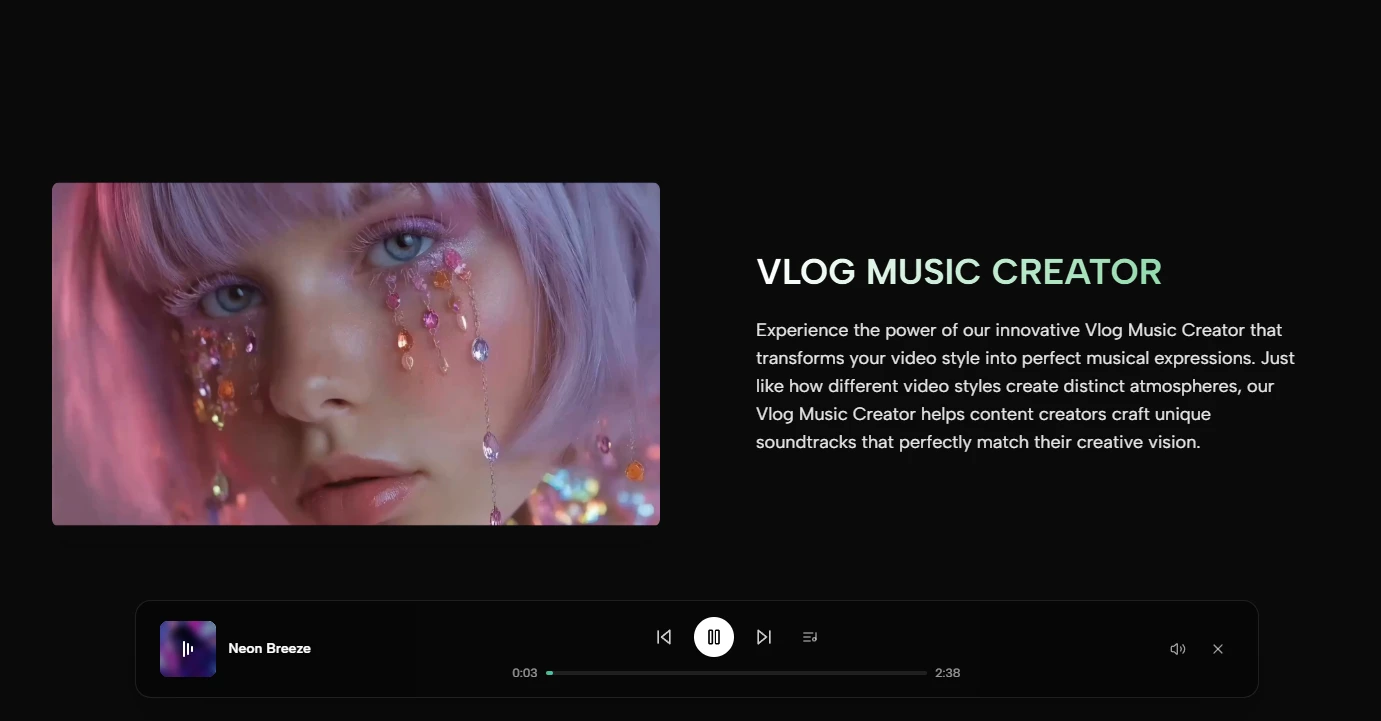
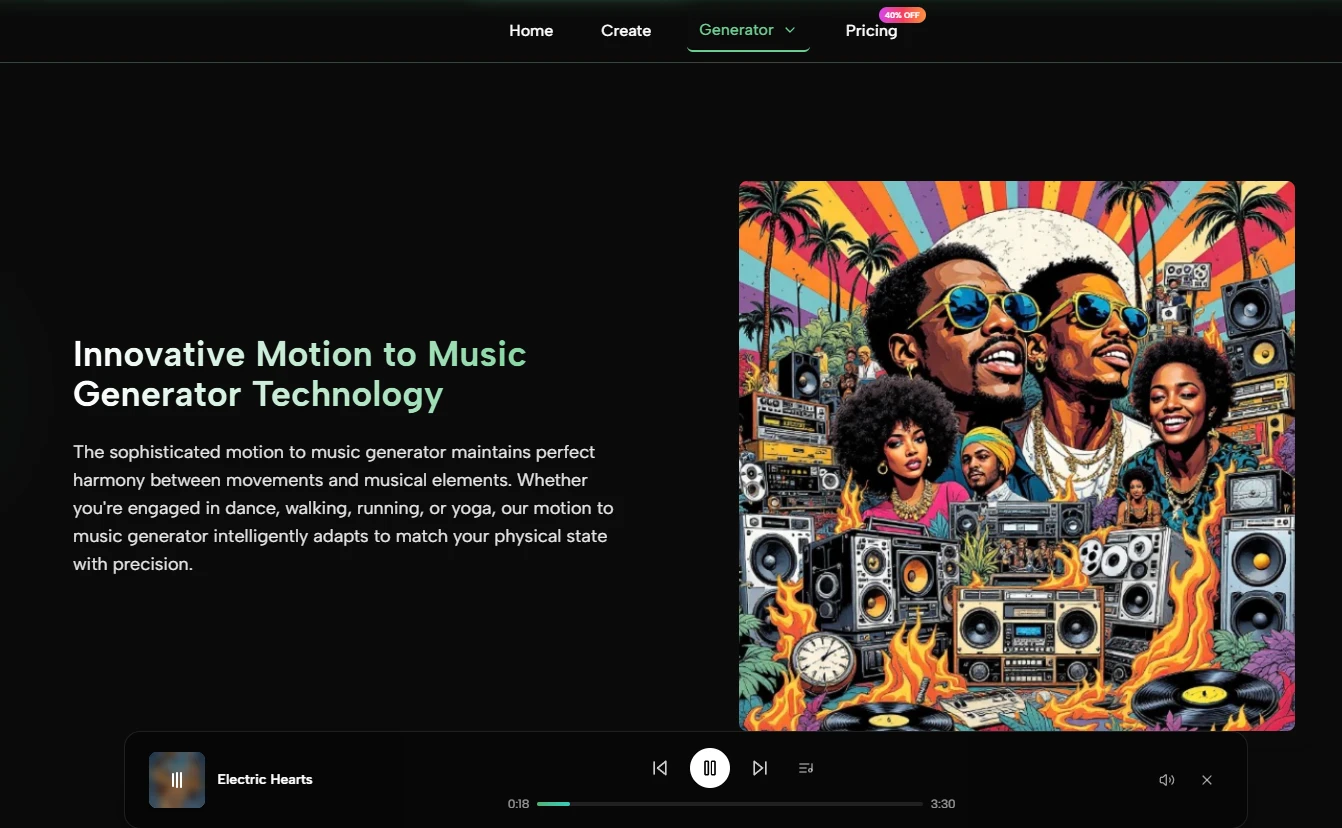
While I was scanning terms pages, the AI Music Maker stood out because the commercial usage language was right on the main description of the tool, not buried in a footer or a separate legal portal. The site stated plainly that generated music could be used in advertisements, videos, games, and educational projects without additional fees, and it used the phrase “royalty‑free” in a context that suggested perpetual, worldwide usage. I still read the full terms, but the upfront clarity felt like a signal: this is a platform that understands its users are not just hobbyists playing with technology.
| Platform | Sound Quality | Loading Speed | Ad Distraction | Update Activity | Interface Cleanliness | Overall Score |
| ToMusic AI | 8 | 9 | 9 | 8 | 9 | 8.6 |
| Suno | 9 | 8 | 7 | 8 | 8 | 8.0 |
| Udio | 9 | 7 | 6 | 8 | 7 | 7.4 |
| Soundraw | 7 | 8 | 8 | 7 | 8 | 7.6 |
| Mubert | 6 | 8 | 7 | 6 | 7 | 6.8 |
| Beatoven | 7 | 7 | 8 | 7 | 8 | 7.4 |
The scores in this table reflect an intentionally broad evaluation, but the “Ad Distraction” column took on a second meaning during this licensing deep dive. Platforms that interrupted the user experience with promotional pop‑ups also tended to be the ones where clear licensing information required digging. ToMusic AI’s high score there correlated with the fact that its commercial terms were presented as part of the generation workflow rather than as an afterthought. Suno and Udio delivered higher raw sound fidelity in some cases, but the gaps in legal transparency—or the sheer effort required to find a definitive statement—shaved points off the trust factor that I applied to the overall score.
How Licensing Clarity Translates Into Daily Confidence
The practical impact of clear licensing language showed up faster than I expected. Two days into my testing, a client asked if the background music in a draft video was “safe for YouTube monetization.” With tracks from some platforms, I would have had to respond with a hedged, lawyer‑approved version of “probably,” followed by a promise to check the terms again. With the tracks I had generated on ToMusic AI, I was able to point to the site’s stated commercial usage policy and move the conversation back to the creative work.
The Royalty‑Free Label Is Not a Guarantee
I need to be careful here because “royalty‑free” is one of those terms that the internet has stretched to the point of near meaninglessness. In the audio licensing world, it technically means you pay once and use the work without ongoing royalties, but it does not automatically grant unlimited commercial usage or protect you from platform‑specific Content ID claims. ToMusic AI’s framing went a step further by explicitly naming use cases—ads, games, education, short videos—which reduced the ambiguity that typically forces a call to a legal advisor. I am not suggesting anyone skip that call for a national broadcast campaign, but for the day‑to‑day content work that pays my bills, the specificity was enough to act on.
The Generation Workflow I Trusted With Client Projects
Once I had the licensing question settled, I started using ToMusic AI for real deliverables. The generation process itself felt designed for people who need to hand off assets without a chain of permissions. The steps followed the platform’s own guidance:
- I selected the custom mode and entered lyrics or descriptive prompts that matched the project’s emotional brief.
- I specified the style, mood, tempo, and vocal direction, adding a note about the intended commercial platform so the output could be mentally tagged for that context.
- I chose from the available AI music models, picking the one that aligned with whether the project needed a vocal‑forward song or an instrumental bed.
- After generation, I saved the approved tracks to the Music Library, downloaded them, and archived the license reference for my records.
The library’s role in this workflow extended beyond organization. Because it kept every generation tied to my account, I could go back six months later and verify that a track I had used was indeed generated under the terms that were in effect at the time—something stock libraries sometimes complicate by changing their licensing models retroactively.
The Gray Areas No Platform Can Fully Resolve
I want to be fair about the limitations because the legal landscape for AI‑generated content is shifting as fast as the technology. Copyright offices in different jurisdictions are still wrestling with the question of authorship, and no terms‑of‑service page can override a court ruling that hasn’t been written yet. ToMusic AI’s site does not, and realistically cannot, guarantee that a generated track won’t inadvertently resemble an existing copyrighted work to a degree that triggers a dispute. The platform’s royalty‑free commitment covers the tracks as generated by its system, but the responsibility to ensure the output does not infringe on third‑party rights ultimately rests with the user, as it does with any generative tool.
Additionally, the vocal models handle English lyrics well, but I noticed that non‑English generations sometimes produced phonetic artifacts that, if used in a commercial context, might require additional scrutiny to ensure they don’t accidentally mimic a recorded performance. These are not reasons to avoid the platform; they are just reminders that “royalty‑free” doesn’t mean “risk‑free,” and smart creators layer their own judgment on top of any tool’s promises.
The audience that will benefit most from this focus on licensing clarity includes freelance video editors, social media agency teams, course creators, indie game developers, and small‑business marketers—people whose livelihoods depend on not receiving surprise claims and who cannot afford to keep a legal retainer on standby for every upload.
What Finally Let Me Close the Stock Music Tab
A month into this exercise, I looked at my monthly expenses and noticed that the stock music subscription I had been holding onto “just in case” had gone unused for three weeks. I had been generating all my background music through ToMusic AI, not because it was free or novel, but because the combination of capable output and clear commercial terms removed the low‑grade worry that had become a permanent background hum in my editing sessions. I canceled the subscription that afternoon. It wasn’t a dramatic decision; it was just the natural endpoint of a process that started with a claim notice and ended with a tool that didn’t make me feel like I was taking a legal gamble every time I published something.
⚡ Baca Lebih Cepat Artikel MMI di Ponsel Anda!
Ikuti Channel WhatsApp
Media Mahasiswa Indonesia (MMI):
KLIK DI SINI

- Tentang Penulis
- Artikel Lainnya

CEO dan Founder Media Mahasiswa Indonesia | Sarjana di Universitas Muhammadiyah Malang | Ketua Umum Gerakan AMPO | Ketua Umum PB IKAMI Sulsel 2020-2022 | Ketua DIMPA UMM 2009-2010 | Sejak 2007, aktif menulis di surat kabar dan media online tentang SEO, blog, digital marketing, mahasiswa, organisasi, pendidikan, politik, hukum, bisnis & pemerintahan