

For many parents today, giving children exciting outdoor experiences is often seen as a symbol of good parenting and modern family bonding.
Social media is filled with families hiking mountains, camping in forests, and introducing nature to children at very young ages. However, what if the desire to create memorable experiences is actually putting children in dangerous situations?
Instead of prioritizing adventurous experiences simply to follow trends or expectations, parents need a shift in perspective. The safety, health, and physical limitations of children must always come before the desire for extraordinary family moments.
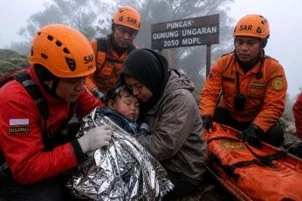
The recent viral case of a 1,5-year-old toddler suffering hypothermia while climbing Mount Ungaran clearly illustrates this issue. The child was taken to the mountain summit by their parents when sudden rain and cold weather caused a dangerous drop in body temperature.
The toddler showed signs of severe cold exposure and needed emergency assistance from a SAR team before being evacuated safely. What was intended to become a memorable family experience quickly turned into a life-threatening situation.
The pressure on parents to provide unique experiences for their children is growing rapidly. Many believe that introducing nature at an early age can support emotional and cognitive development. While this idea is not entirely wrong, it often ignores one important reality: toddlers are physically vulnerable.
According to medical experts from the Indonesian Pediatric Society, children under three years old lose body heat much faster than adults because their physiological systems are not fully developed.
Extreme environments such as mountains with cold temperatures, rainfall, and difficult evacuation routes are simply not suitable for young children.
This is exactly why responsible parenting is not about proving that children can join every activity: it is about understanding when to say no. Parents must realize that children depend entirely on adult judgment for their safety. A single careless decision can expose them to serious physical and emotional harm.
Admittedly, outdoor activities can bring positive benefits. Nature can teach children about curiosity, confidence, and environmental awareness. Many parents also believe these experiences strengthen family relationships and create unforgettable memories.
However, these benefits should never outweigh the child’s safety and well-being. Adventure should always be adjusted to the child’s age, physical condition, and environmental risks.
Baca Juga: A Modern Lifestyle Against Social Values
For parents, caution is not a sign of weakness it is a form of love and responsibility. Protecting children from unnecessary danger is far more important than chasing impressive experiences or social validation. The true role of parents is not only to provide happiness, but also to ensure children grow up in a safe and healthy environment.
Taking children outdoors can still be meaningful, but it must be done wisely. Let family experiences become moments of growth and joy, not sources of danger and regret.
Penulis: Desvita Rizki Suci Amanda
Mahasiswa S1 Psikologi Universitas Harkat Negeri
Dosen Pengampu: M. Sofyan Firmansyah
Editor: Ika Ayuni Lestari
Bahasa: Rahmat Al Kafi

⚡ Baca Lebih Cepat Artikel MMI di Ponsel Anda!
Ikuti Channel WhatsApp
Media Mahasiswa Indonesia (MMI):
KLIK DI SINI