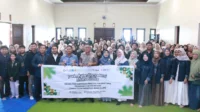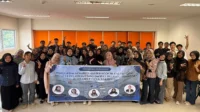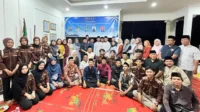
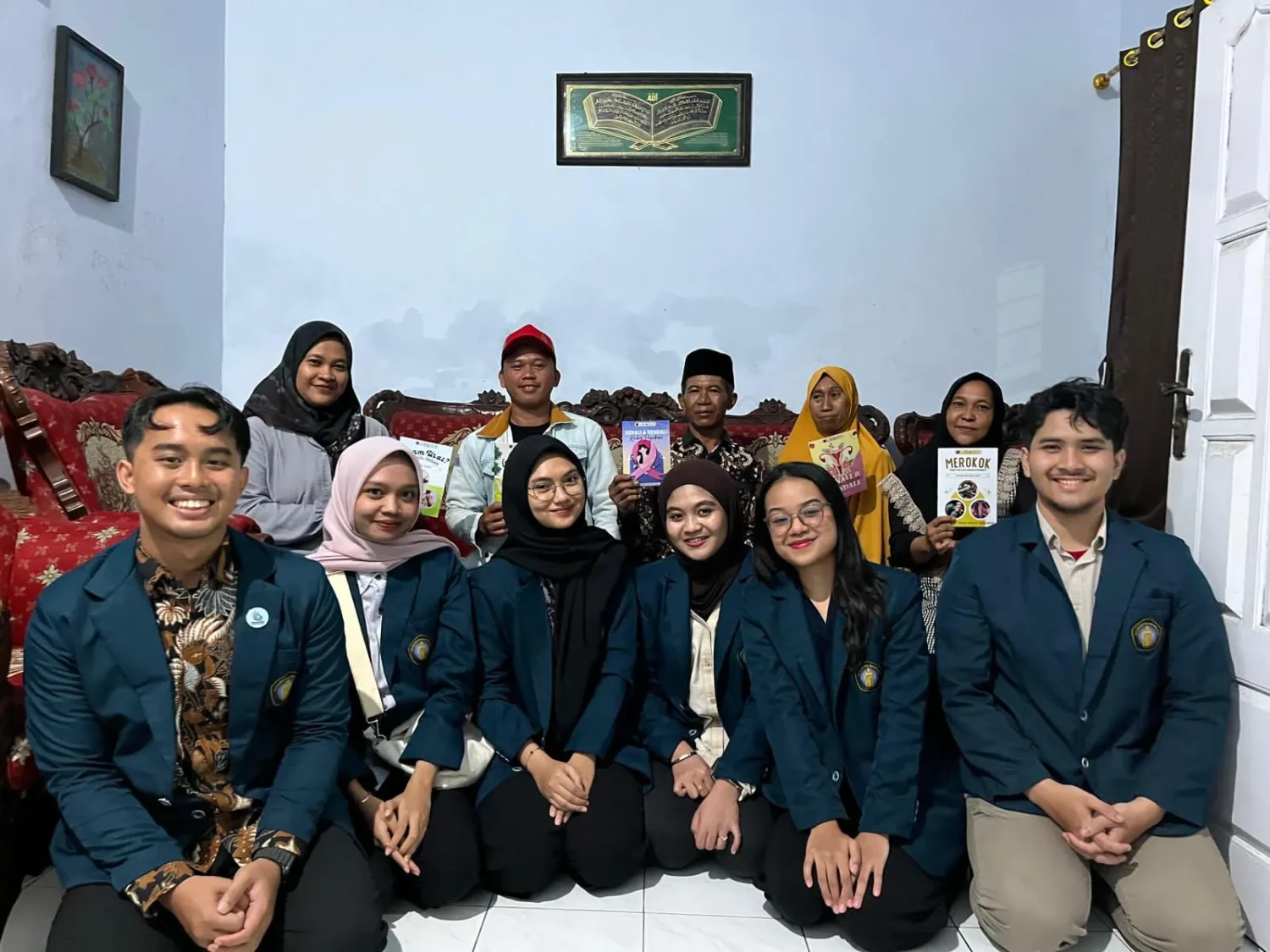

Malang, MMI – Students of the Faculty of Medicine, Universitas Brawijaya (FK UB) who carried out the Community Service Program (PKNM) in Dusun Tunggulrejo, Pakisaji District, introduced three practical innovations to improve public health literacy: a daily hypertension checklist, a self-detection checklist for cervical and breast cancer, and recommendations for strengthening Universal Health Coverage (UHC) through BPJS PBI.
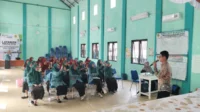
The program, conducted from July to August 2025, involved health surveys of 48 households, family interventions, and a community-wide health education forum.
Unlike conventional approaches, this group designed tools that could be used by villagers independently and sustainably.
“We didn’t want the education to stop after the program ended. With these checklists, villagers and cadres can monitor their own health conditions daily, while the BPJS PBI initiative ensures access to formal health services for those who are economically vulnerable,” said one student representative.
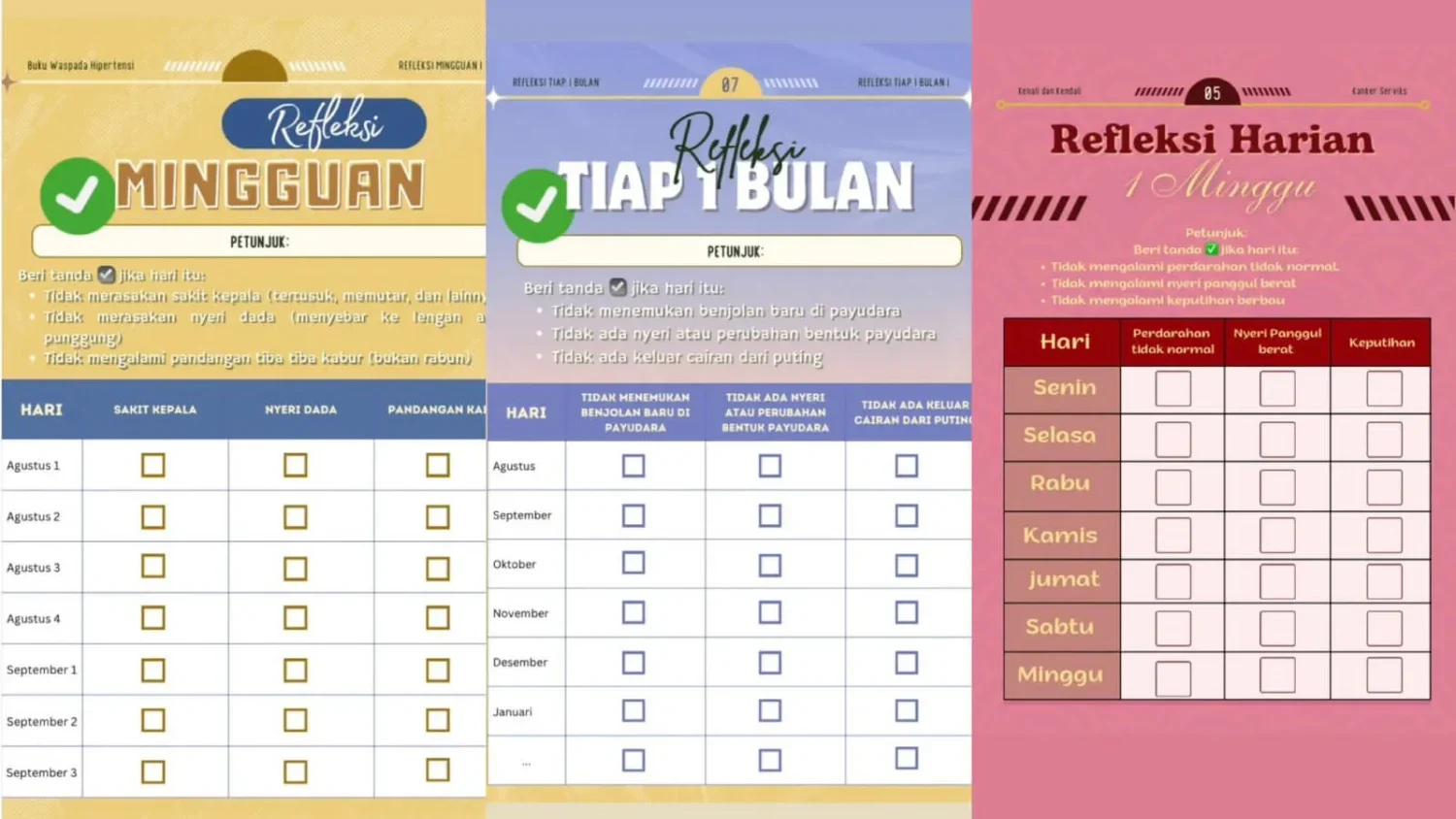
The Hypertension Daily Checklist helps residents recognize early warning signs such as headaches, chest pain, and sudden blurred vision—symptoms that often go unnoticed but signal potentially dangerous blood pressure spikes.
Read More: The Relationship between Student’s Academic Achievement and Healthy Sleep Patterns
Meanwhile, the Cancer Detection Checklist encourages women to regularly note symptoms related to cervical and breast cancer, promoting early detection and timely medical consultation.
Equally important, the students highlighted a structural health barrier: many villagers were found to have inactive BPJS cards.
Most had been registered but stopped paying due to economic hardship, forcing them to rely on informal health workers with suboptimal treatment.
The team therefore worked with village leaders and cadres to disseminate information on the government’s UHC program, particularly the BPJS PBI scheme for low-income households.
“Access to health services must be universal. Without active BPJS, many residents miss out on essential care. Encouraging UHC through BPJS PBI is key to ensuring no one is left behind,” emphasized another member of the group.
The community responded positively to the innovations, with cadres actively using the checklists and village officials acknowledging the urgency of BPJS reactivation.
Read More: Adverse Impact of Mobile Phones upon the Eye Health of Children
The program closed with a commitment to hand over the tools and recommendations to local cadres and authorities, ensuring continuity beyond the students’ stay.
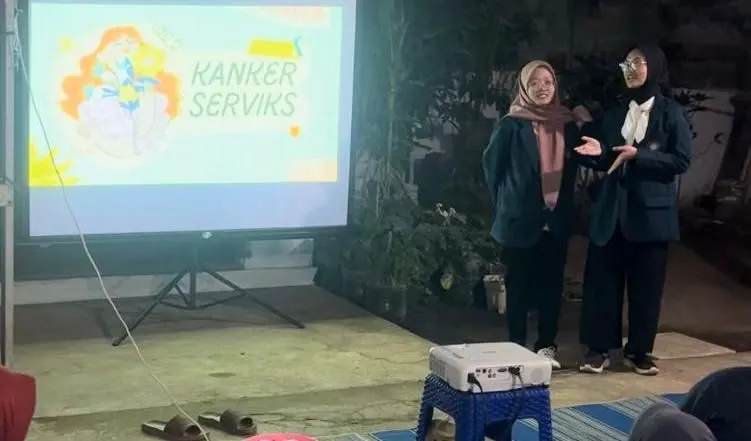
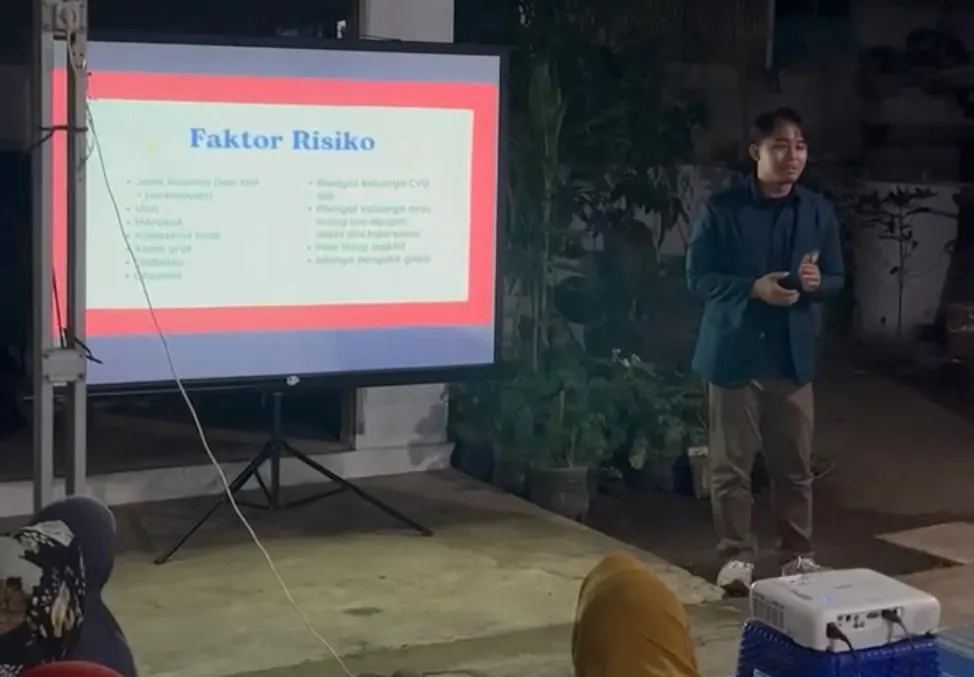
Through this initiative, FK UB students demonstrated that simple yet structured innovations—from household-level checklists to systemic advocacy—can empower communities to take control of their health while addressing broader access issues.
Writers: PKNM 40
1. Muhammad Arjun Al Farisyi
2. Anggietha Nayla Khilmy
3. Safina Annajah Ramadhania
4. Jezzie Aurelien Okoseray
5. Siti Nurul Shinta Yolanda
6. Alfin Shidqi
Students of the Faculty of Medicine, Universitas Brawijaya
Supervisor: Bdn. Mega Ulfah, S.S.T., M.Keb.
Editor: Siti Sajidah El-Zahra
Copy Editor: Rahmat Al Kafi
Ikuti berita terbaru Media Mahasiswa Indonesia di Google News

⚡ Baca Lebih Cepat Artikel MMI di Ponsel Anda!
Ikuti Channel WhatsApp
Media Mahasiswa Indonesia (MMI):
KLIK DI SINI