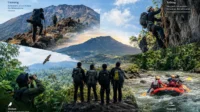
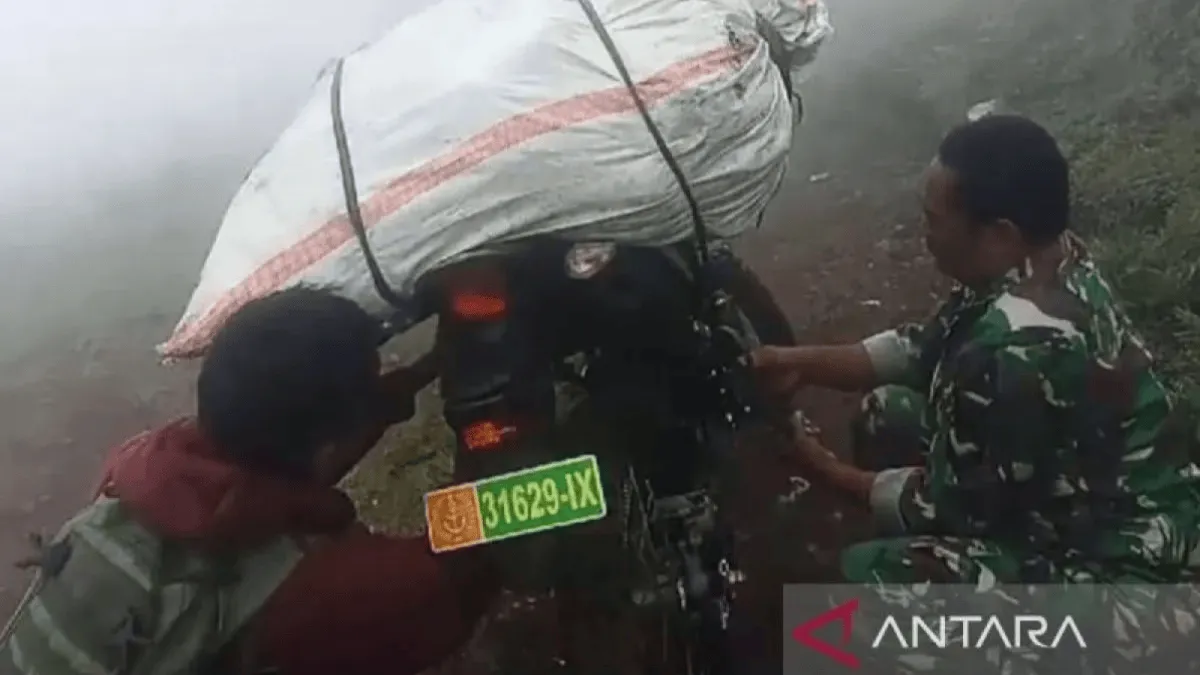

Last year, Mount Rinjani, one of the most famous natural tourist destinations in Indonesia, became a major environmental concern because of the large amount of trash left by hikers.
According to reports from the Mount Rinjani National Park Office, more than 31 tons of waste were collected from hiking activities between April and October 2024.
This situation is very ironic because many people visit nature to relax and enjoy its beauty, yet some tourists still leave garbage behind and damage the environment that should be protected together.
This condition has raised serious concerns about the impact of tourism on Indonesia’s environment.
Many natural destinations that were once clean and beautiful are slowly becoming polluted because of irresponsible visitor behavior.
Places that should provide peace and comfort are now facing environmental damage caused by human carelessness.
I believe that Indonesia’s natural beauty is increasingly threatened because tourism growth is not balanced with visitors’ awareness and responsibility.
As more tourists come to natural attractions, pollution and environmental destruction continue to increase, putting ecosystems and wildlife in danger.
Furthermore, the negative effects of tourism can clearly be seen in the Mount Rinjani area.
The trash problem continues to grow every year, and in 2024 more than 31 tons of waste were collected from hiking trails.
This shows that many visitors focus only on enjoying the scenery and taking pictures without thinking about the impact of the garbage they leave behind.
Logically, the larger the number of tourists, the greater the pressure on the environment.
Without proper awareness and responsibility, natural tourism can slowly destroy the beauty that attracts people in the first place.
Therefore, environmental awareness and responsible tourism behavior are very important.
In addition, plastic waste not only makes tourist destinations look dirty, but also harms ecosystems and wildlife.
Plastic takes a very long time to decompose and can pollute soil and water sources.
Research suggests that some animals often mistake plastic for food, which may cause illness or even death.
As a result, ecosystem balance can be disturbed and many species may become threatened.
To be sure, some people believe that this problem occurs because of the lack of facilities such as trash bins and waste management systems in tourist areas.
While it is true that better facilities are necessary, the main responsibility still belongs to visitors.
Providing more facilities alone will not solve the problem if people continue to litter and ignore environmental cleanliness.
In conclusion, protecting Indonesia’s natural environment must begin with individual awareness and responsibility.
Tourism should not only be about enjoying beautiful places, but also about preserving them.
Therefore, people should bring their own trash home, support zero-waste movements, and help protect nature so it can remain beautiful for future generations.
Writer: Elok Raudhotun Ni’mah
Undergraduate Student in Public Sector Accounting, Universitas Harkat Negeri
Editor: Siti Sajidah El-Zahra
Copy Editor: Rahmat Al Kafi

⚡ Baca Lebih Cepat Artikel MMI di Ponsel Anda!
Ikuti Channel WhatsApp
Media Mahasiswa Indonesia (MMI):
KLIK DI SINI