
The global financial landscape has shifted dramatically over the past decade. Previously stable markets have become susceptible to rapid changes driven by geopolitical events, inflationary pressures, and unpredictable monetary policies.
For the experienced professional and established investor, navigating these global financial markets is no longer just about generating returns; it is equally about capital preservation and strategic risk management.
One of the primary challenges mature investors face today is not a lack of information, but an overwhelming abundance of it. The financial media is often filled with conflicting opinions, sensationalized headlines, and short-term volatility, creating a noisy environment that can easily lead to emotional and reactive decision-making.
Compounding this challenge is the increasing sophistication of cyber threats. As portfolios transition to digital environments, securing assets against unauthorized access and systemic risks has become a non-negotiable component of any long-term investment strategy.
To succeed in this modern era, investors require more than just capital; they need a structured approach to analyzing multi-asset classes and a secure infrastructure to execute their strategies.
This guide explores how to cut through market noise, the evolution of portfolio diversification, and the critical security measures required to protect your wealth in an interconnected financial system.
The Evolution of the Modern Investment Portfolio
Why Single-Asset Strategies Are Becoming Obsolete
For generations, the traditional “60/40” portfolio—allocated 60% to equities and 40% to bonds—was considered the gold standard for balancing growth with security. However, recent economic cycles have demonstrated that this conventional model is increasingly vulnerable.
When inflation spikes simultaneously with rising interest rates, both stocks and bonds can depreciate at the same time, eroding the purchasing power and overall value of a single-asset or dual-asset strategy.
In response, the modern investment portfolio has had to evolve. Relying exclusively on equities to drive growth or depending solely on fixed-income instruments to provide a safety net is now widely considered an obsolete approach by market professionals.
To effectively mitigate the risks of inflation and market stagnation, diversification must extend beyond traditional borders. Investors must look toward uncorrelated assets that perform differently under various economic conditions, ensuring that a downturn in one sector does not lead to a catastrophic decline across the entire portfolio.
Bridging Traditional and Digital Assets
The answer to this need for broader diversification lies in bridging the gap between traditional asset classes and emerging markets. Commodities, for example, have long been a staple of wealth preservation.
Precious metals like gold, alongside energy and agricultural products, often serve as robust hedges during periods of currency devaluation or geopolitical instability.
However, the definition of alternative assets has expanded significantly. Digital assets, particularly established cryptocurrencies, have matured from speculative experiments into recognized components of institutional portfolios.
When approached with a disciplined, long-term perspective, digital assets can offer a unique store of value and growth potential that operates independently of central bank policies. The key to modern investing is not choosing between traditional stocks and new digital currencies, but rather understanding how to integrate both into a cohesive strategy that balances risk while maximizing exposure to global growth themes.
Cutting Through the Noise: The Need for Structured Market Insights
Avoiding Information Overload
In the digital age, market updates are available 24/7. While accessibility is generally positive, the relentless flow of data creates severe information overload. Financial news platforms often prioritize breaking news and sensational headlines to capture attention, leading to what behavioral economists call ‘noise.’
For an investor aiming to build a sustainable portfolio, consuming every piece of news can be detrimental, leading to ‘analysis paralysis’ or, worse, panicked trading based on temporary market fluctuations rather than underlying fundamentals.
Emotional decision-making is the enemy of long-term financial success. To avoid the trap of information overload, professionals must learn to filter their information diets. This involves prioritizing sources that provide deep context and structural analysis over those that simply report price movements and short-term sentiment.
Relying on Clear, Practical Analysis
The antidote to market noise is structured, practical analysis. Instead of trying to predict daily price swings, successful investors focus on understanding the macro-economic pendorong pasar (market drivers)—such as interest rate cycles, supply chain disruptions, and global trade dynamics.
Recognizing these underlying factors allows investors to anticipate long-term trends and assess risks independently.
For investors seeking clarity over sensationalism, finding a focused space for continuous market monitoring is essential. Exploring the structured research and insights available on this site can help anchor your trading strategies in reliable data.
By accessing materials that focus on risk factors and market structure, readers can interpret updates with a clearer perspective, forming their own conclusions based on evidence rather than emotion. A disciplined approach to market analysis ultimately supports informed, independent decision-making across all experience levels.
Prioritizing Security in Your Financial Operations
The Critical Role of Platform Authentication
As capital moves through digital channels, the security of the platforms managing those assets is paramount. It is no longer sufficient to simply choose a platform based on low fees; security infrastructure must be the primary evaluation criterion. The foundation of this security is robust platform authentication.
Passwords alone are inadequate against modern cyber threats. True platform security requires a layered approach, beginning with mandatory Two-Factor Authentication (2FA). This ensures that even if credentials are compromised, unauthorized access is blocked without a secondary confirmation, usually via a separate mobile device.
Furthermore, advanced platforms utilize device verification and session management to monitor IP addresses and recognize previously trusted devices. If a login attempt occurs from an unrecognized location or exhibits irregular behavior, automated risk detection systems can immediately terminate the session, safeguarding the user’s capital from potential exploitation.
Understanding AML and KYC Standards
While some users may view compliance procedures as an inconvenience, robust regulatory adherence is a critical indicator of a platform’s reliability. Anti-Money Laundering (AML) and Know Your Customer (KYC) standards are not merely bureaucratic hurdles; they are fundamental safeguards designed to protect the integrity of the financial system.
By enforcing strict identity checks, verified platforms ensure that they are not facilitating illicit activities, which in turn protects the broader user base from systemic risks and legal complications.
When a service requires users to submit identity documents following standard format requirements, it is actively building a safe environment. Trusting platforms that prioritize transparency and rigorous compliance means investing in an ecosystem that values long-term stability over reckless expansion.
Selecting the Right Environment for Market Analysis
Cross-Device Accessibility and Professional Tools
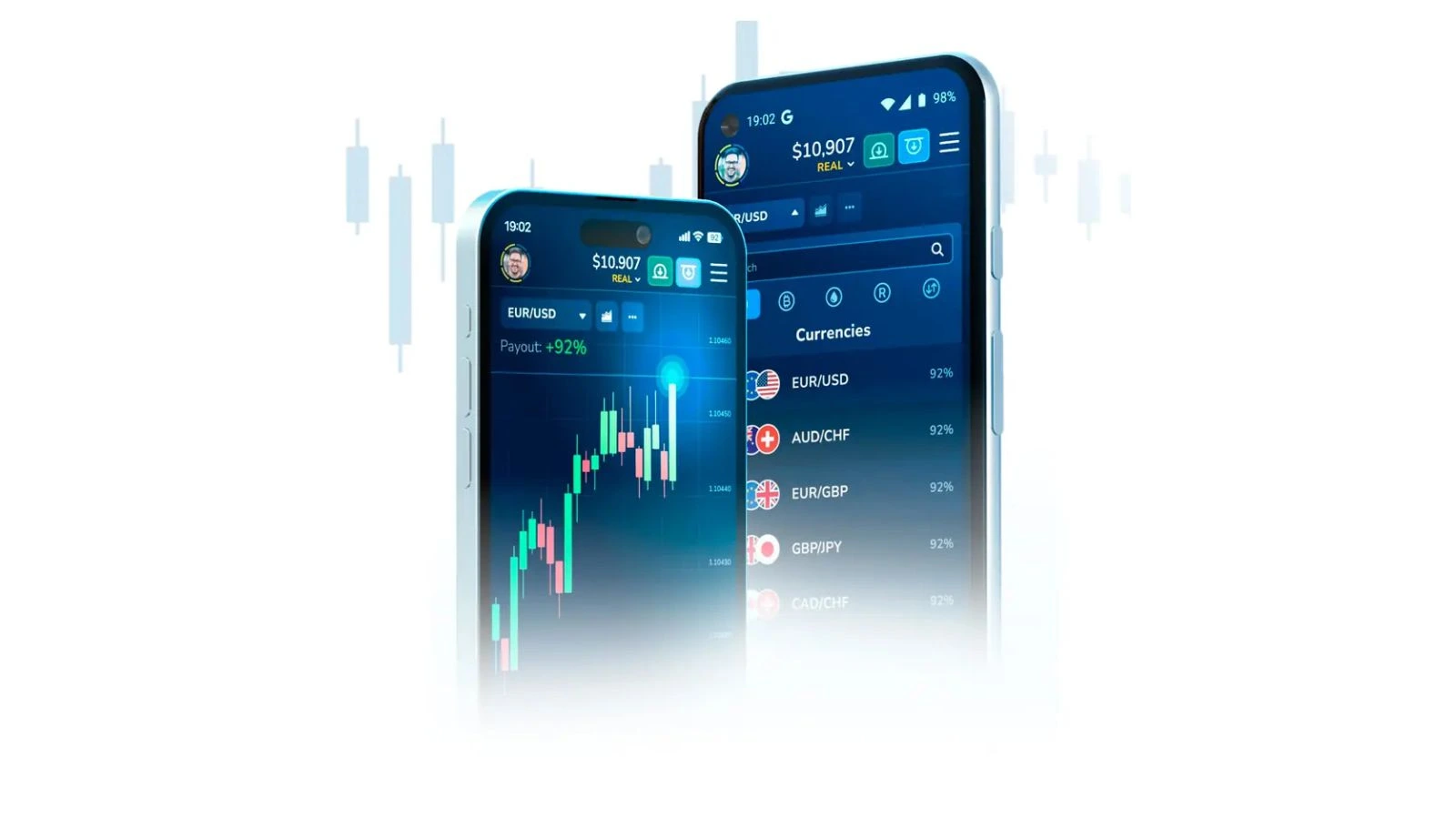
The modern investor is rarely tethered to a single desk. Therefore, the ability to monitor markets, review analytical content, and manage portfolios seamlessly across multiple devices is crucial.
However, this flexibility cannot come at the expense of security or performance. A premium analytical environment must offer synchronized access across web platforms, mobile applications, and tablet devices without compromising encrypted data handling.
Moreover, for investors who require deeper technical analysis, integration with professional terminals like MetaTrader 5 (MT5) is a significant advantage. MT5 provides advanced charting tools, automated trading capabilities, and extensive historical data necessary for executing complex multi-asset strategies. A stable infrastructure supports consistent decision-making.
You can evaluate how a fully integrated, secure environment operates by visiting https://verifiedex.com/, which offers seamless transitions from basic market overviews to advanced MT5 integration. This all-in-one approach ensures that whether you are conducting a quick mobile check or a deep desktop analysis, your tools remain sharp, and your connection remains secure.
Managing Risk with Advanced Instruments
Approaching CFDs and Leverage Responsibly
As investors expand their multi-asset portfolios, they may encounter advanced financial instruments such as Contracts for Difference (CFDs). These tools allow individuals to speculate on the price movements of global markets—including indices, commodities, and equities—without actually owning the underlying asset. While CFDs offer flexibility, they often involve leverage, which magnifies both potential gains and potential losses.
It is imperative that investors approach leveraged instruments with a profound understanding of the associated risks. Leverage can result in rapid capital depletion if the market moves against a position. Therefore, responsible investing dictates that these tools should only be utilized by those who have thoroughly assessed their risk tolerance and financial situation. A foundational rule of managing risk in advanced markets is to never employ capital that you cannot afford to lose, ensuring that your core wealth remains protected regardless of short-term volatility.
Conclusion: Empowering Your Independent Investment Journey
Successfully navigating the complexities of global financial markets requires a dual focus. It demands a sophisticated understanding of multi-asset diversification to protect against inflation and economic shifts, combined with an unwavering commitment to operational security. By cutting through the daily noise, relying on structured analysis, and utilizing verified, secure platforms, investors can confidently build and protect their wealth. Ultimately, true financial empowerment comes from combining clear market insights with a safe infrastructure, allowing you to make independent decisions that align with your long-term goals.

⚡ Baca Lebih Cepat Artikel MMI di Ponsel Anda!
Ikuti Channel WhatsApp
Media Mahasiswa Indonesia (MMI):
KLIK DI SINI