
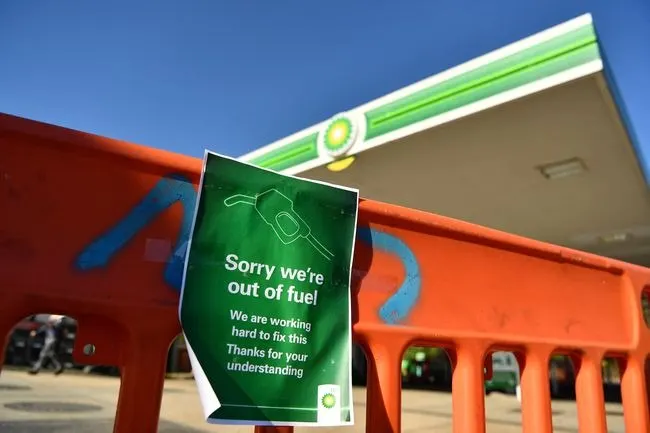

Fuel is one of the most important aspects in Indonesians’ lives, but why is it so hard to stay sustainable by using biofuel?
Biofuel is the result of processing organic biomass such as plants, agricultural waste, etc., and is one of the best solutions for reducing the use of conventional fuels. It was first used in 1895 by Dr. Rudolf Christian Carl Diesel. He had already used it to develop biofuel-based motorcycle engines. However, over time, biofuels began to be replaced by the abundant petroleum fuels of the time, leading to a shift in the use of biofuels over petroleum fuels.
In recent years, global awareness of environmental sustainability has revived interest in biofuels, making countries with strong agricultural sectors reconsider their potential in biofuel production. Let’s examine Indonesia’s potential as an agricultural country. Indonesia should become the main source of biofuel production. According to the Center for Agricultural Research and Development (Puslitbangtan), there are 51.546 million tons of agricultural waste that are usually burned. In contrast, we should be able to utilize this waste to support people’s daily activities.
As an agrarian country with yields, it is natural that we can reprocess agricultural waste into environmentally friendly fuel or biofuel, reducing dependence on conventional fuels. However, despite these large resources, the adoption of biofuel in Indonesia remains limited due to infrastructure challenges, policy inconsistencies, and a lack of public awareness.
Especially as a student, fuel plays a major role in mankind’s activities, including for Indonesians, as it gives energy to vehicles to run normally. Without vehicles, civilians cannot conduct their activities normally, like working, socializing, studying, and more.
The large number of vehicles in Indonesia creates a large amount of pollution. The government has implemented policies to encourage people to conserve vehicle and fuel consumption, including public transportation such as TransJakarta, the MRT, trains, and others.
However, several factors deter people from using public transportation, such as thieves inside a train, a broken air conditioner, and cases of sexual harassment, which make Indonesian people choose their own vehicles and remain dependent on conventional fuels.
But the problem is, instead of creating solutions for the problem, the government decided to add ethanol to the conventional fuel. Actually, they have a good reason for doing that. Adding ethanol to conventional fuel is one way to reduce the carbon monoxide emissions released into the atmosphere.
On the other hand, ethanol has the property of attracting water. When ethanol is mixed with gasoline, the water content in the ethanol can settle at the bottom of the tank, causing corrosion in parts of the motorcycle. And that’s why we aren’t ready yet for the addition of ethanol into conventional fuels. One solution to the crisis of conventional fuel is to use biofuel.
However, the full use and optimization of biofuels are not being achieved mainly because public awareness in Indonesia about the long-term benefits of environmentally friendly biofuels is still limited. Indonesia also lacks sufficient infrastructure and supporting facilities for large-scale biofuel production, and the regulations regarding the processing of agricultural waste into biofuel are not yet strong.
The limited cooperation between the government and the private sector can be seen from products like Bobibos, which are difficult to enter the market because they have not yet received proper government permits, slowing down adoption. In addition, the perception that biofuels are more expensive than conventional fuels makes Indonesia continue to rely heavily on fossil fuels.
Can Indonesia achieve sustainable biofuel adoption? And also, at what time can the Indonesian people fully enjoy or utilize the full potential of biofuel? The optimal use of biofuels in Indonesia can only be achieved through proper public education and strong government support.
Education plays a key role in helping society understand the environmental benefits of adopting cleaner and more sustainable energy sources.
Increased awareness will encourage long-term behavioral change that contributes to reducing harmful emissions and protecting the environment. Meanwhile, government assistance can ensure wider access to biofuels, support local economic growth, and significantly minimize agricultural waste.
Writer: Fauzan Ardhana Nugraha
Student of Food Science and Technology Program, Universitas Brawijaya
Newee of AIESEC
Editor: Siti Sajidah El-Zahra
Copy Editor: Rahmat Al Kafi
Ikuti berita terbaru Media Mahasiswa Indonesia di Google News

⚡ Baca Lebih Cepat Artikel MMI di Ponsel Anda!
Ikuti Channel WhatsApp
Media Mahasiswa Indonesia (MMI):
KLIK DI SINI